
THE HISTORY OF THE DOMINICAN REPUBLIC IN ITS GASTRONOMIC ASPECT.
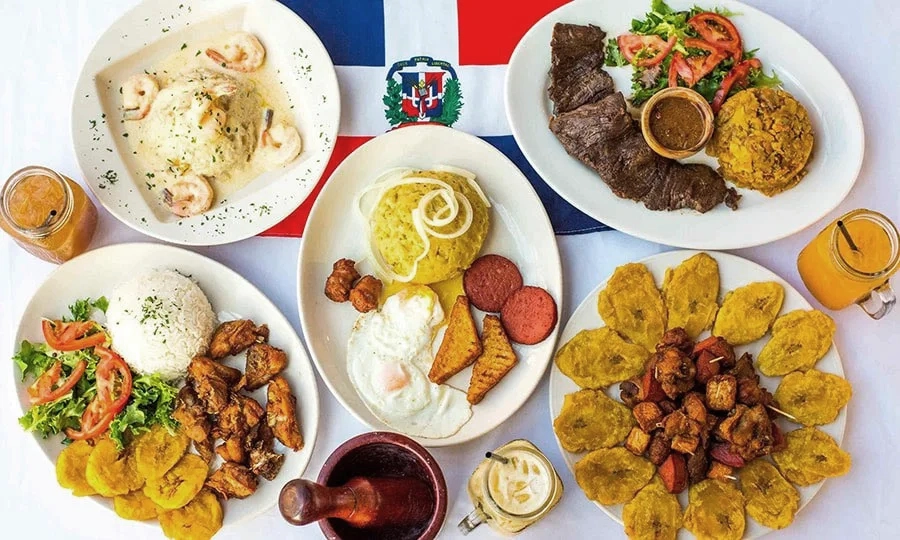
The culture of any nation finds its most vivid expression in its gastronomic tradition, which reflects the history of the formation of every nation and every people.
For every person, the taste of his favorite dishes, familiar from childhood, is inseparably linked to his formation as a person and upbringing. Wherever fate throws us, we recall with nostalgia the taste of simple and familiar to us from childhood dishes that our mother cooked. Therefore the first and most effective way to get acquainted with the culture of any nation is to get acquainted with culinary traditions and its most favorite dishes, no matter how simple they seem. The taste of distinctive dishes of each nation is the taste that unites people of different races and languages and makes them closer and more understandable for each other. What can be more understandable to everyone than the flavor of freshly cooked food, which will tell more about each people than a hundred pages of a book written in a scholarly language. The way to the heart of each nation can be much easier and clearer when it comes to its taste buds and the secrets of special sauces that reflect the inner essence of ancient culinary traditions shaped over the centuries.
The gastronomic tradition of the Dominican Republic is considered one of the most distinctive on the Latin American continent. It is not without reason that in 2017-2018 the city of Santo Domingo was recognized as the gastronomic capital of the Caribbean. 20 different immigrant groups from different parts of the world have brought their special dishes and sauces to the island.
The Dominican Republic is located on a small island neighboring the Republic of Haiti. This Caribbean nation has an area of 48,500 square kilometers. However, its history and constant struggle for independence over the last 500 years is extremely eventful and interesting.
A variety of nationalities and cultures have been involved in the making of the Dominican Republic, which is reflected in the traditions and language that now form the essence of what is known as the culture of the Dominican Republic. Dominican cuisine has not been aloof from this tumultuous and complex process.
1. Before the Spanish came to America, the island was inhabited by the Arawak Indians, whose diet was based on yucca, a root vegetable that was grown on the islands and used to make casabi bread, which formed the basis of the diet of an entire people who inhabited the island of Haiti. This was the name the Indians gave to the huge island they had chosen as their place of residence a thousand and a half years before it was conquered by Europeans. They called their god of fertility by the name of Yúcahu, which was derived from the name of this root vegetable. The Indians of the island, whom Columbus called by the name "taino," which means "peaceful, good," brought to the culture of the Dominican Republic, besides yucca and corn, ahi peppers, sweet yams, pineapple, guayaba and guanabana like fruits.
The yucca is a root vegetable native to Tropical South America. Its root consists of 90 percent starch and also contains vitamins C and B6. With its strong nutritional properties, however, yucca is recommended for people suffering from gastritis as a product that both nourishes and does not irritate the stomach. It is imperative that yucca be eaten cooked, as it contains cyanide and can be poisonous in its raw form. It is often called the "sweet yucca." Having migrated to other tropical regions, it has also come to be called "cassaba" (cassava)
Yucca is used to make many simple but nutritious dishes. Also, yucca flour is used to make kasabi bread. Casabi bread is a traditional Indian dish. Originally, yucca was peeled from its skin with a shell. Then, it was grated. The juice was squeezed in a cotton cloth. Unrolled bread was baked for 15 minutes on each side on a stone buren pan. Then the bread was put on the roofs and left to bake in the sun. The bread was stored for 3 years.
Maharete is a traditional dessert made from corn flour or tender young corn. It somewhat resembles a traditional flan, but it is made without eggs. Coconut milk, cinnamon, and a little salt are added to the flour.
Chenchen is a traditional dish for the south and Haiti is made with corn. This exquisite dish of the "poor", however, is distinguished by its special flavor. Especially, there are many different recipes that can make a simple breakfast dish a gourmet treat, especially if you add seafood to the corn dish. Simple ingredients such as corn or cornmeal, coconut milk, butter and plenty of additives are the hallmarks of the South and its typical Creole cuisine.
In addition, the diet of the Indians consisted of bird meat, fish, clams (lambi), iguana and hutii meat, and the sea cow Manati. On the island grew papaya, guayaba, guanabana, leren, mani, and sweet yams.
Scientists say we are defined by what we eat. The Indians of Haiti did not have domestic animals and were unfamiliar with products such as milk, cheese, and beef, which are the mainstay of European diets.
The island also had corn, which was surprisingly domesticated by the inhabitants of the American continent and formed an essential addition to the basic diet of the inhabitants of the Americas.
The Indians used the honey of the American bees for food, but they did not know such a product as sugar.
The Americas had an abundance of legumes: red, white, and black beans, lentils, and many others.
2. With the arrival of the Spanish conquistadors, the cooking of the islanders was dramatically enriched and changed. Many cuisine traditions from the Canary Islands, as well as from Spain, the Mediterranean and other regions of the world, were brought here.
The Spaniards brought domestic animals to the island, such as cows, pigs, goats, and chickens. Plantations of sugar cane, native to southeast Asia but brought from the Canary Islands, were planted. Dishes such as sancocho, asopao, locrio, rice and beans, and condiments became common. The origins of sancocho, however, are disputed. African slaves brought to the island did not have the time or the products to prepare gourmet dishes. Therefore, it is said that sancocho soup was made from whatever products were on hand. Therefore, on the one hand, the soup resembles a traditional Canarian dish, but all kinds of root vegetables, corn and different types of meat are added to this soup. On the neighboring island of Cuba, sancocho is made just for animals, mixing all the leftovers in this soup. In the Dominican Republic, this soup is prepared for occasions when many people have to be fed, in a large cauldron. The rich, nutritious soup can easily replace the main course at lunch. Sancocho is made with seven different kinds of meat. Sancocho. There is a wide variety of recipes for making sancocho. Currently, it is almost impossible to try "black sancocho" with turtle meat, as the turtle is protected by law and its capture is prohibited.
Locrio is the heir to the famous Spanish paella. It is a rice-based dish prepared with chicken, fish, or seafood. The cooking principle resembles that of pilaff or paella. Asopao rice is a rich and nutritious dish that tastes great.
All dishes are traditionally served with a vegetable salad, avocado, and fried bananas.
In the early 17th century, the Spanish conquistadors brought cocoa and coconuts to the islands. Coconut oil is widely used gastronomically for a variety of dishes and delicious sweets.
The coconut palm is often called the "tree of life. The name "coco" comes from the Portuguese "cuco" because the sailors who sailed with Vasco De Gama and first saw the palm tree decided that the fruit with three holes, which resemble the face of a creature from Portuguese mythology, would be so named. Botanical scientists are arguing about its real origin. After all, there are 89 countries in the world where the coconut palm grows. However, according to phytoanalysis of the palm's DNA, botanists still lean toward Southeast Asia as the cradle of origin of the first coconut palm.
The palm really surprises with its variety of uses. For one thing, you have to remember that the palm is a herb, and its trunk does not grow wide, but rises up as its leaves are born and die off.
Palm leaves are used to cover huts and to weave various useful household items from them. The trunk of the palm tree is used to build houses in the countryside and to make simple furniture and carved figurines. A palm trunk makes a great breeding ground for orchids and other epiphytic plants.
But most unique is the fruit of the coconut palm, which is so called "coconut." As it ripens, initially, the coconut is a source of fresh water, enriched with minerals, which quenches thirst and also - cleanses the kidneys. Its composition is akin to that of saline, which is why it was used instead of it during the war.
As the fruit matures, the green coating of the fruit turns yellow and gradually becomes brown and shaggy, and inside grows a thick layer of white copra, which contains coconut oil. The fruit takes 13 months to mature.
Coconut is used to make both coconut shavings, which are used for confectionery, and coconut milk, the indispensable attribute of the piña colada cocktail. Coconut is used to make coconut oil, which is widely used for both food and cosmetics.
3. The French brought coffee to the Caribbean in the 17th century and then spread it to all the surrounding islands. Originating in Africa, from Ethiopia, coffee made its way to the island of Martinique in the 17th century, from where it spread throughout the Americas.
It was brought to the Dominican Republic by the same French who settled the western part of the island in the 17th century, and the island has been famous for its fine coffees ever since. Arabica is grown in the mountains, while at sea level, Robusta, a stronger but less aromatic coffee, prevails. Dominican coffee has a wonderful aroma, but the locals do not like a strong drink and brew it light and add a lot of sugar.
To understand coffee, you need to taste it, and you have a wonderful opportunity on a tour in Gurmet Taino to try different kinds of coffee and understand what is the highlight of this wonderful drink, and which coffee is still better.
4. From 1510 slaves began to be brought from Africa to work on the sugar plantations. To provide food for the slaves, the Spaniards brought bananas to the island, which are now widely used in the preparation of a wide variety of dishes. These include roasted bananas, tostones, mangue mashed bananas, a very nutritious dish that was born in Puerto Rico, mofongo and trifongo with chicharron (a large pork rind) or with shrimp. Bananas were "Dominican bread" until 1783.
5. Bearing in mind that, according to one version, Christopher Columbus, who discovered America, was Italian, the Italian cultural influence was inevitably very long and profound on the culture of the colony of Santo Domingo from the very beginning of its conquest. The Italians brought balsamic vinegar to the island, which is now used to make onion condiments, and - introduced a variety of Italian dishes into Dominican cuisine: pizza, spaghetti, pastas, lasagna. Today Italian cuisine occupies the most important place in the gastronomic tradition of the Dominicans.
6. The Chinese migrated from California to the island in the early 20th century. Chinese chofan became one of the favorite dishes of the Dominicans and there are now many recipes for this simple but very nutritious dish. Chinese noodles are also beloved by many Dominicans. Chinese restaurants have become very popular because of the cheap prices and delicious food.
7. Lebanese and Palestinians: 1875. Tabouleh is a typical Lebanese salad that migrated into Dominican cuisine with the arrival of the natives of that country. The salad is made with a base of couscous or burghole wheat and fresh vegetables are added. It is a delicious dish that is beautifully nourishing and refreshing in the tropical heat. Kipe ( kibbeh), a popular dish in Lebanon, has become a typical dish of the Dominican cuisine.
The preparation of this simple but delicious dish begins in the evening. Recipes can be very different. Wheat flour "Burgol," prepared from the evening, from which to make a mold, which is stuffed with beef or chicken meat, sometimes adding raisins. Delicious, exquisite, and unusual!
8. Cocolo in San Pedro de Macoris 1916. English-speaking islanders came to the Dominican Republic to work in the sugar factory of the young city of San Pedro de Macoris in the late 19th century. The "cocolos," as the Dominicans called them, who settled here contributed to Dominican cuisine. Instead of rice, the natives from the former English colonies used wheat and cornmeal. They brought with them a "green" soup that was popular in the Lesser Antilles, called "calalu."
Along with them, Guavaberry liquor, ginger beer, mabi (a drink made from an Indian vines), cow's feet stew, fungi (fried balls of cornmeal) , dumplings (boiled balls of wheat flour) came into Dominican culture.
9. Originally from the United States, former slaves were invited to the island by the Haitian government in 1824-1825. It was a time when the entire island was under their domination. These people still retain their traditions, religion, and culture. They have English surnames, attend a Baptist church, sing and dance in church, and speak English. They have brought to local gastronomy such dishes as fish in coconut and janickeh (the word is derived from the English "Johnny Cake," which in turn has its origin in the English "journey cake" - a pastry made from flour that keeps better than yeast bread during long journeys). Saman now makes a wide variety of delicious coconut and root breads.
10. The Hungarians constituted, during the time of dictator Trujillo, his personal guards. After his death, many of them remained in the mountains of the Central Cordillera, in the town of Constanza. There you can visit small Hungarian hotels and restaurants and taste the typical Hungarian cuisine. Goulash is one of the basic dishes beloved by locals.
11. The Americans took over the customs of the Dominican Republic in 1916. Previously, locals had preferred root vegetables and bananas to rice. Now rice has become a staple food that Dominicans have come to eat as part of the main dishes served for dinner. The most emblematic dish was born: the "bandera," or flag, which includes rice, beans, and chicken or meat. However, chicken occupies a fundamental place on the Dominican table. The dish combines the symbol of Asia, rice, beans from the Americas, and meat from Europe.
Different regions of the country have favorite and popular dishes that have incorporated the whole gamut of those flavors introduced by the many influences and influences that, in the course of history, have shaped such an unusual and distinctive culinary tradition of the Dominican people.
For breakfast, Dominicans enjoy eating bread with hot chocolate or coffee, grilled cheese, which is produced in a special way for frying, mango (mashed bananas with onions fried in vinegar). A very favorite dish of scrambled eggs with local salami sausage.
Wheat does not grow on the island, so it is imported from the neighboring United States. But sweet potato (yam) or yautia (another root vegetable of several varieties) bread is popular in the local culinary tradition.
There are yucca balls, yucca casabi bread, and a great variety of local sweets made from milk and coconut and filled with guava or mango marmalade.
An absolutely unique sweet dish is sweet beans, which are prepared as a special dish at Easter.
- Comments